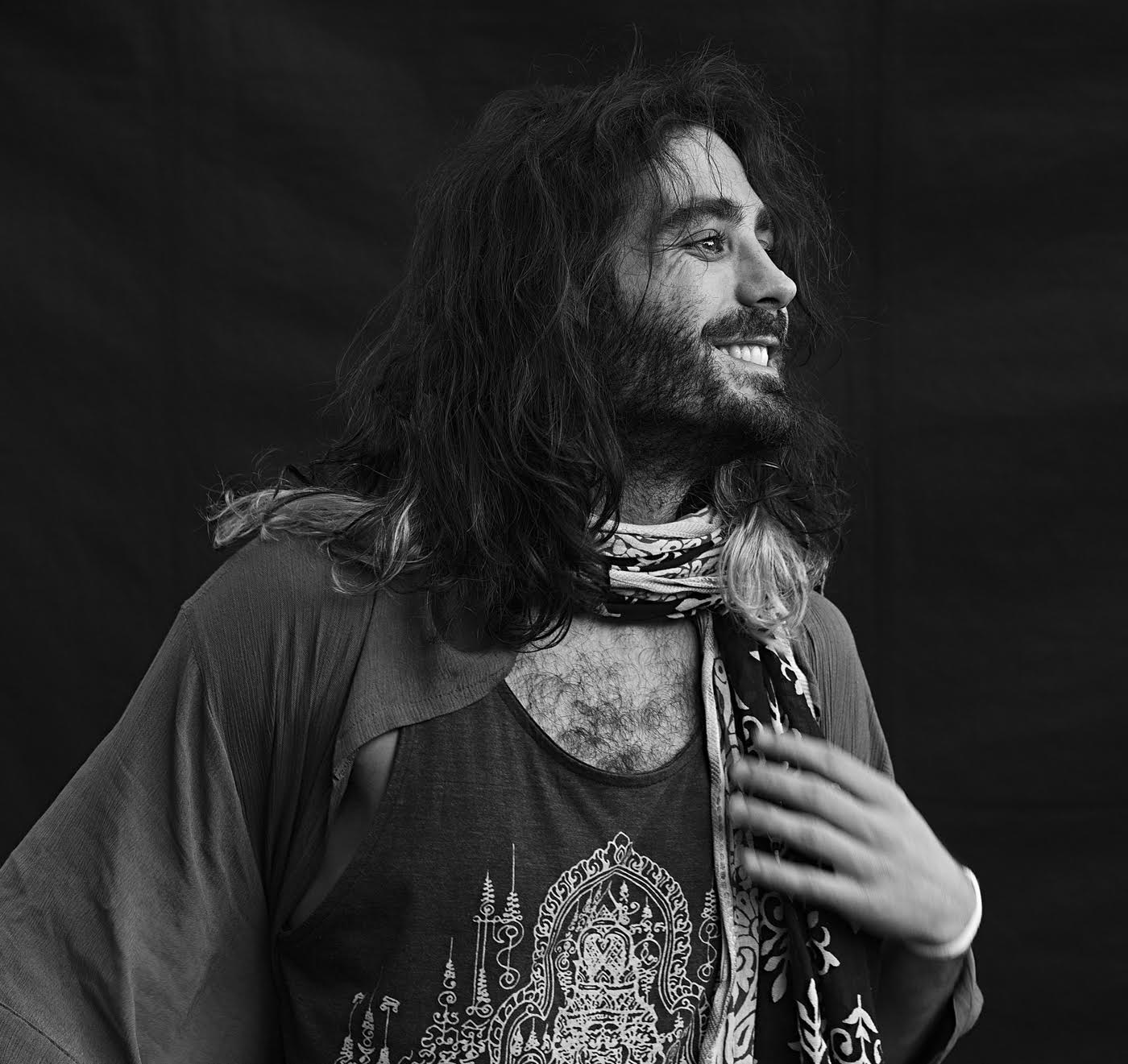
Dr. Carlos Hernandez
AI Consultant | Researcher | Musician
Scroll down to explore.
AI in Art
Artificial intelligence is reshaping the creative landscape, offering new tools for artists and opening doors to unexplored artistic possibilities. My goal is to bridge the gap between artists and technical solutions, making AI an accessible and valuable creative partner.
Style Transfer
Style transfer allows an image to adopt the artistic characteristics of another. By leveraging neural networks, we can take a regular photo and make it look like a painting. You can check out my implementation of neural style transfer on GitHub.
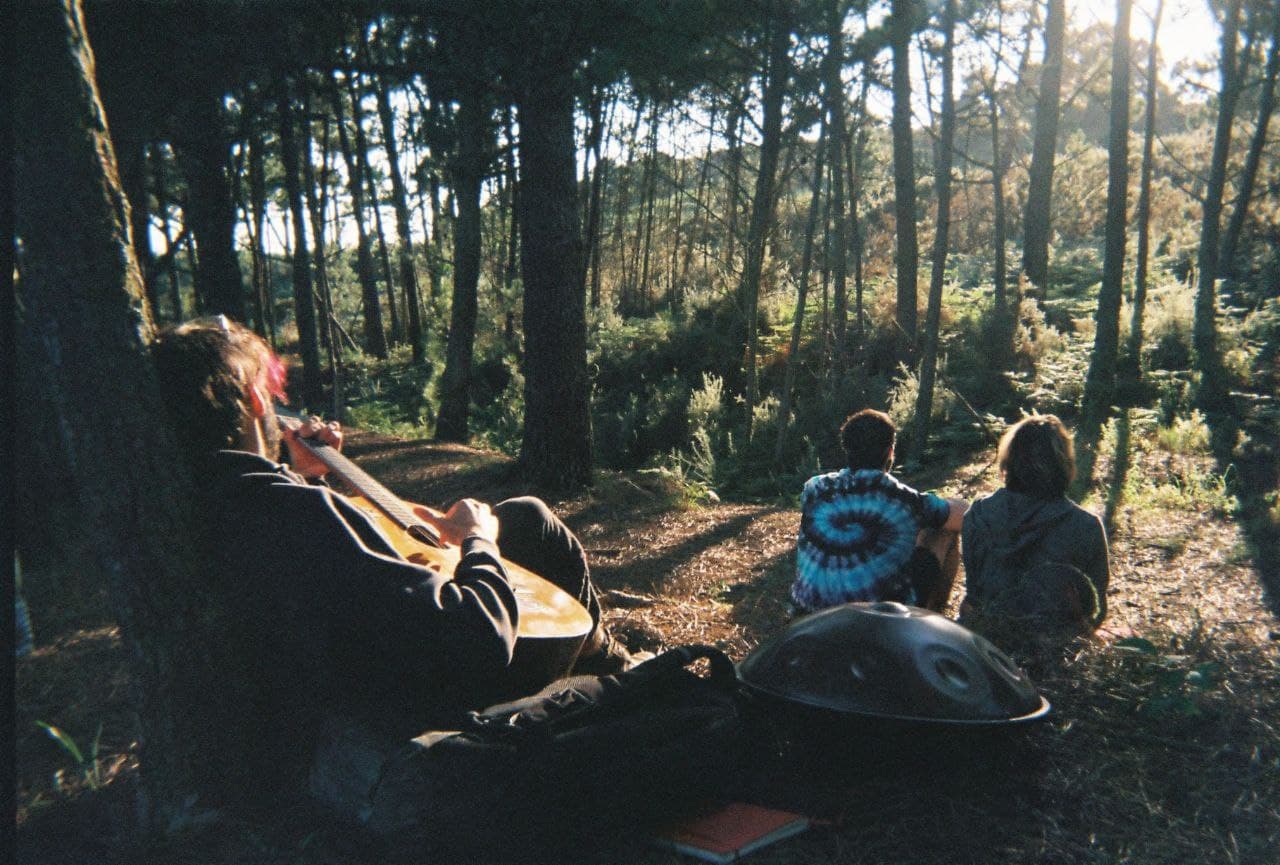
Original Image
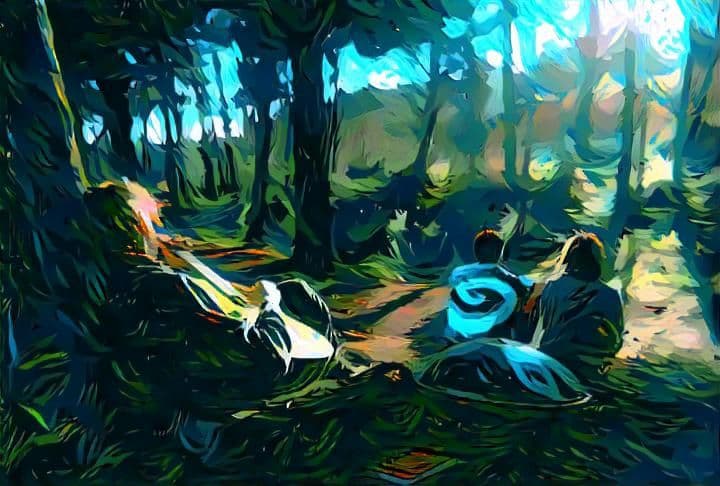
Style Transferred Image
Diffusion Models
Diffusion models make it easier for users to create and implement ideas, generating highly detailed and complex images with minimal effort.
Scientific Output
Journal Papers
BCN20000: Dermoscopic Lesions in the Wild
Advancements in dermatological AI research need high-quality datasets reflecting real-world clinical scenarios. We introduce the BCN20000 dataset, comprising 18,946 dermoscopic images (2010–2016) from Hospital Clínic in Barcelona, Spain. This dataset bridges the gap between AI training data and clinical practice. We also provide baseline classifiers using state-of-the-art neural networks for further research.
Read Full PaperSurvLIMEpy: A Python package implementing SurvLIME
SurvLIMEpy is an open-source Python package implementing SurvLIME, a method for computing local feature importance in survival analysis models. It speeds up execution using matrix-wise formulation and supports models like Cox PH, DeepHit, and DeepSurv. The package includes visualization tools to aid interpretation.
Read Full PaperComparative analysis and interpretability of survival models for melanoma prognosis
The study compares survival models in a Catalonian based cutaneous melanoma dataset. It also leverages an interpretability algorithm to understand the most salient features for the models. These features correlate with the clinical stage of the melanoma, supporting the use of machine learning models for prognosis.
Read Full PaperConference Papers
Bridging Domains in Melanoma Diagnostics: Predicting BRAF Mutations and Sentinel Lymph Node Positivity
This study adapts transformer-based models for predicting BRAF mutations and sentinel lymph node positivity in melanoma. We fine-tune DINOv2 models, leveraging domain adaptation to address limited pathology data. Results show success in BRAF mutation detection, while SLN prediction remains challenging due to its indirect histopathological correlation.
Read Full PaperContrastive and Attention-Based Multiple Instance Learning for Sentinel Lymph Node Status Prediction
We develop a deep learning approach to predict lymph node metastasis from Whole Slide Images of primary melanoma tumours. Our method combines self-supervised contrastive learning for feature extraction with an attention-based MIL model, improving classification performance and interpretability by highlighting tumour tissue over artifacts.
Read Full PaperInterpreting Machine Learning Models for Survival Analysis: A Study of Cutaneous Melanoma
We compare machine learning models for survival analysis in melanoma using the SEER database. Random Survival Forest, DeepSurv, and DeepHit outperform Cox models. Using SurvLIMEpy, we analyze feature importance, highlighting the value of explainability in AI-driven prognosis.
Read Full PaperBreast Cancer Molecular Subtyping from H&E Whole Slide Images Using Foundation Models and Transformers
We classify breast cancer molecular subtypes from H&E Whole Slide Images using an Attention-Challenging MIL framework. Our ACTrans model integrates a transformer aggregator, achieving strong performance in an in-house dataset, particularly with foundation features at lower resolutions and larger patch sizes.
Read Full Paper

Music
My passion for music and composition.